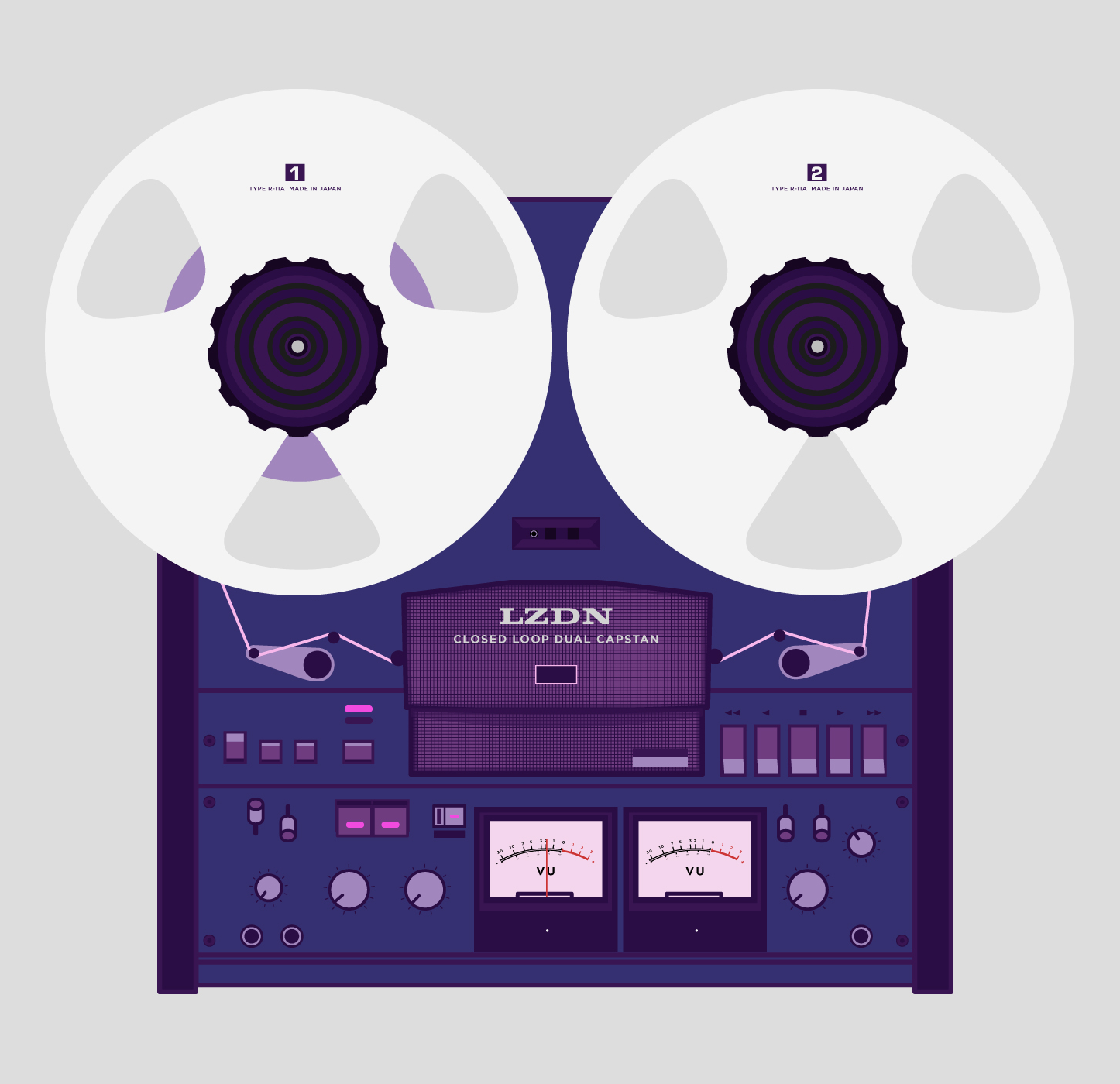
Translating Sound into Visual Identity
Visual Design • Motion • Collaborative Concept Development
Project: LZDN Visual & Motion Design.
Role: Visual Designer / Motion Designer / Video Editor
Tools: After Effects, Illustrator, Premiere Pro
Outcome: Created a cohesive visual direction, translating audio into a dynamic visual experience
Who I Worked With: Collaborated with LZDN to develop a visual direction that complements the tone, mood, and structure of the music.
Background
LZDN is a music project focused on atmospheric and layered sound. The goal was to create a visual language that reflects the complexity and tone of the music, translating audio into a cohesive visual experience.
Problem
No defined visual identity to support the music
Needed a consistent visual direction across multiple tracks
Visuals needed to match tone and complexity of the sound
Required a system that could scale across different releases
Goals
Develop a cohesive visual identity aligned with the music
Translate sound into visual form
Create a system that works across multiple tracks and assets
Maintain consistency while allowing variation
Process Intro
The process focused on understanding the tone and structure of the music, then translating those qualities into visual elements such as color, composition, and motion.
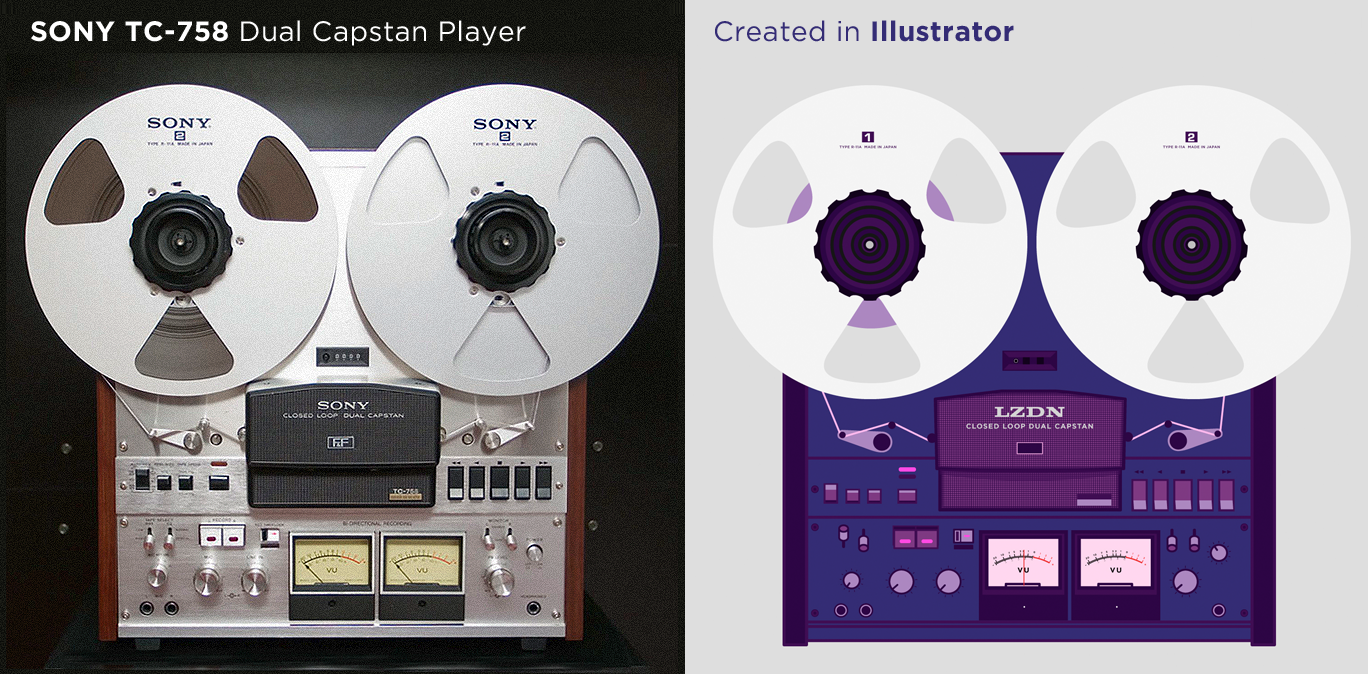
Inspiration for the track “Fallen” came from the image on the left.
Inspiration / Source Material
The reel-to-reel tape machine served as a key visual reference, influencing both the aesthetic and the sense of analog texture present throughout the designs.
Sketches / Exploration
Early sketches explored composition, balance, and how visual elements could reflect rhythm and layering within the music.
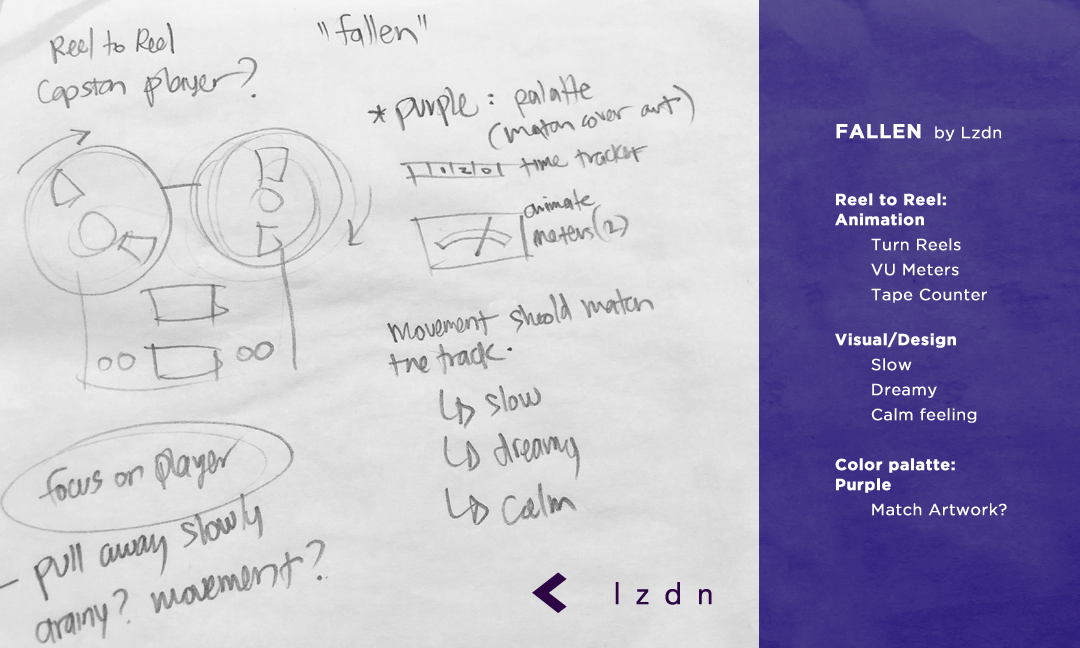
Brainstorming notes
FALLEN by LZDN
Design Development
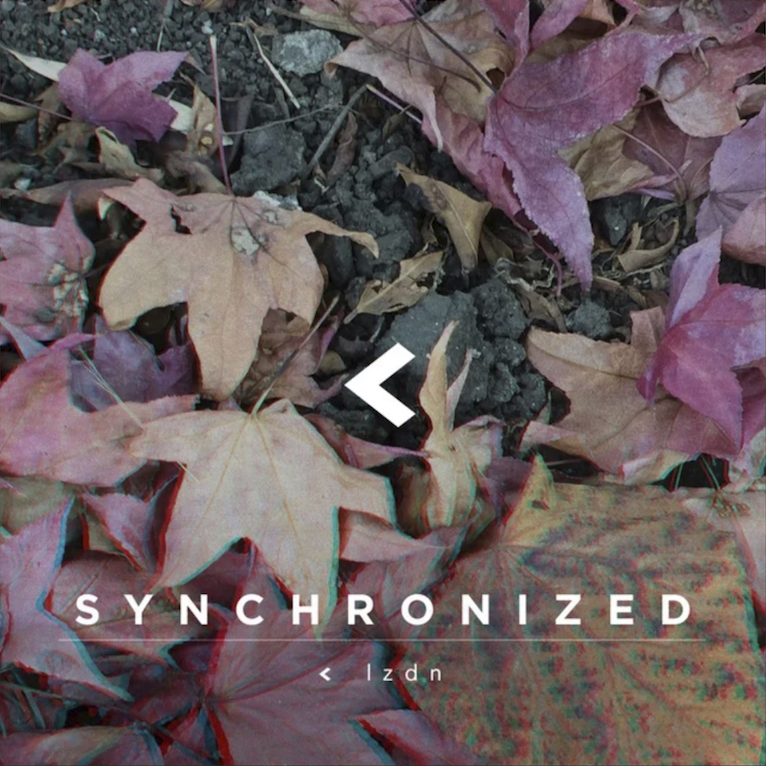
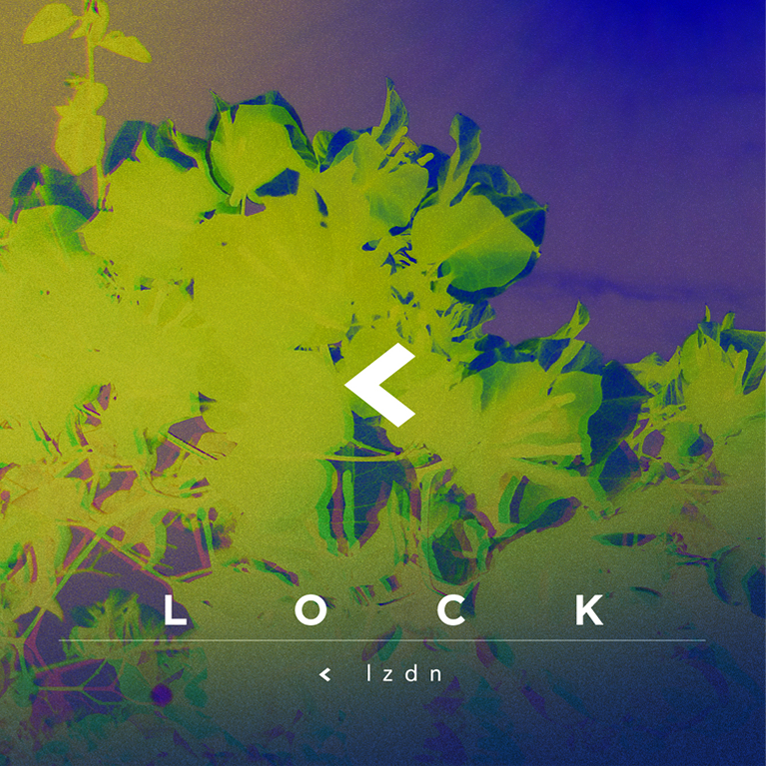
The final system allows for variation across tracks while maintaining a consistent visual identity. Each piece reflects a unique mood while still feeling part of a larger, unified collection.



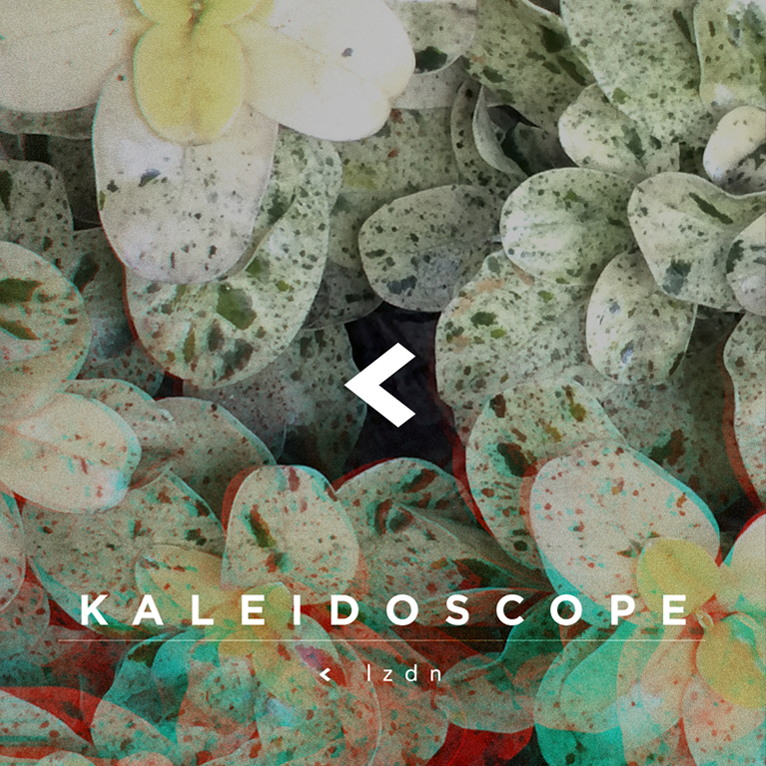



Final Visual System
The final system allows for variation across tracks while maintaining a consistent visual identity. Each piece reflects a unique mood while still feeling part of a larger, unified collection.
Motion / Video
Motion design extends the visual identity, using movement and transitions to further reflect the rhythm and atmosphere of the music.
Conclusion
This project demonstrates how visual design can translate abstract concepts like sound into a cohesive and expressive system. Through collaboration and iteration, the final outcome balances consistency with creative variation.
Learnings
This project reinforced the importance of collaboration and interpretation when working with abstract inputs like music. Translating sound into visuals requires both structure and flexibility to create something cohesive and expressive.
Future Exploration
Future iterations could expand the system into live visuals or interactive experiences, further connecting the visual identity to the music in real time.